CASE STUDY

How an AI tool got the UX it needed to scale and commercialize

About

Generator GPT is an AI agent and content generation platform built for teams, project groups, and business users. The product combines multiple AI capabilities into a single workflow tool. It had grown through iteration over time, with a UX layer that needed to catch up with its ambitions. We redesigned the interface to give the platform the structure and clarity it needed to move from an internal tool to a commercial product ready for a wider audience.

Generator GPT
INDUSTRYAI Tools / Business Automation
AUDIENCETeams, Project Groups & Business Users
PRODUCTAI Agent & Content Generation Platform
SCOPEUX Redesign for Commercialization and Scale

Why this mattered

Generator GPT had working technology that needed a design system to carry it. Features and workflows had expanded over time, with a UX layer built for the team that knew the product from the inside. For the platform to launch commercially, it needed a design that made complex AI workflows feel immediately accessible to the teams that would use it.

  • Turn a powerful internal tool into a product new users can understand immediately
  • Support a commercial launch with a coherent, scalable UX
  • Make multi-agent and content generation workflows feel intuitive
  • Reduce onboarding friction for teams adopting AI into existing processes
Why this mattered

The design challenge

The challenge was making complexity feel manageable. Generator GPT handles multiple AI agents, content types, and workflow configurations, all of which users need to control with confidence. The UX had to reveal capability progressively, give users confidence at every step, and support very different use cases within one coherent product.

  • Exposing power and depth in a way new users can navigate
  • Holding many use cases inside one coherent product
  • Keeping humans in the loop across every AI output
  • Carrying the product from internal-tool habits into commercial readiness
The design challenge

Design decisions

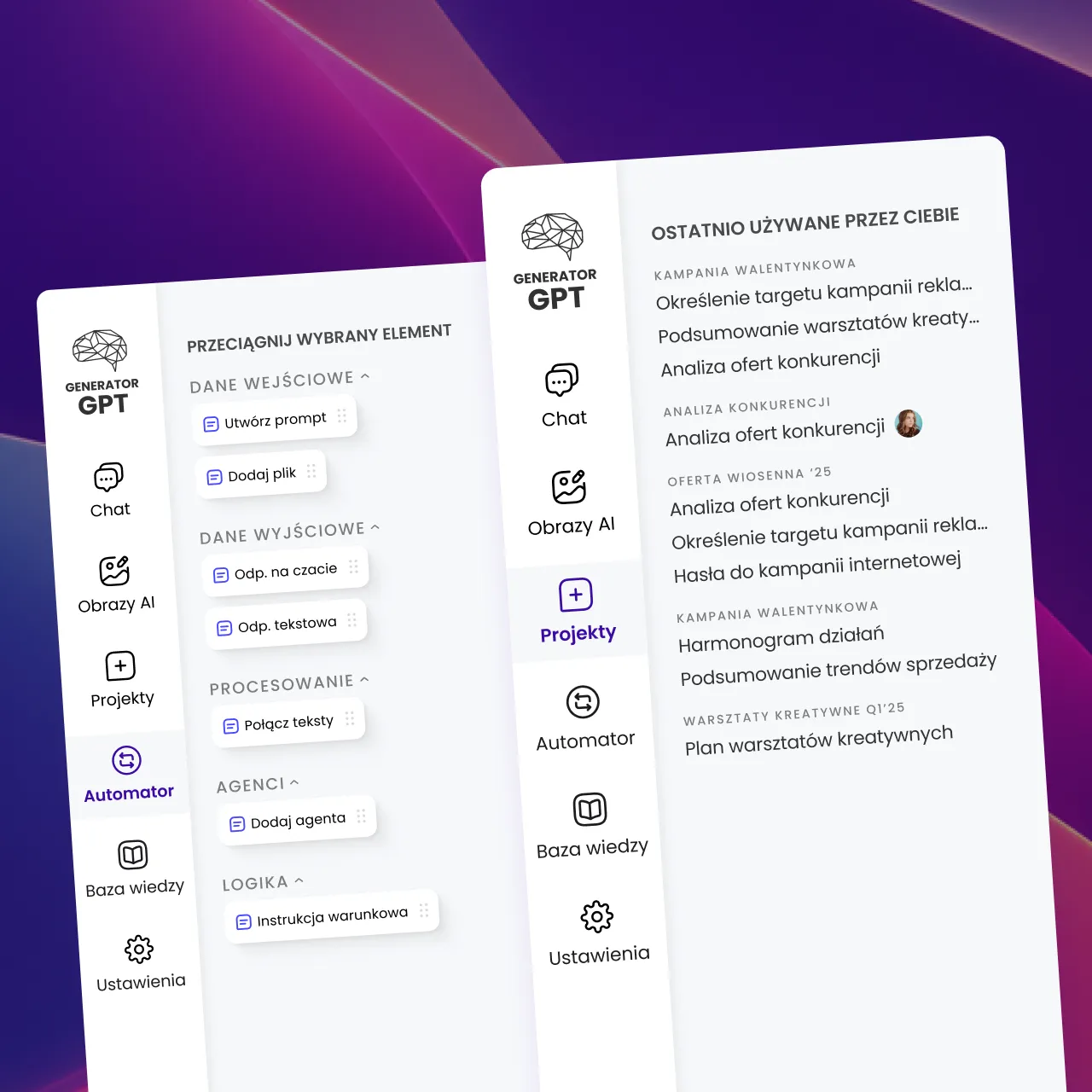
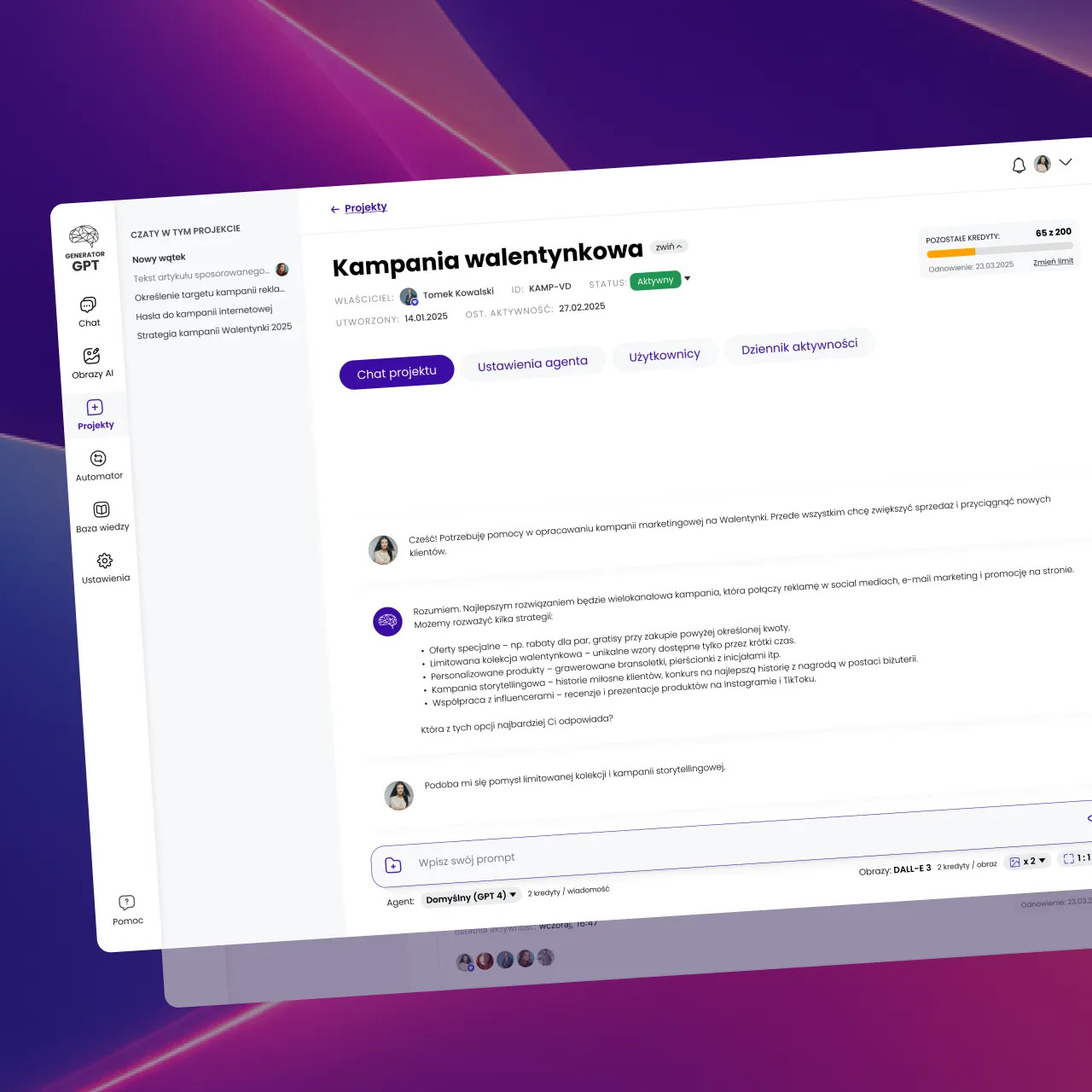
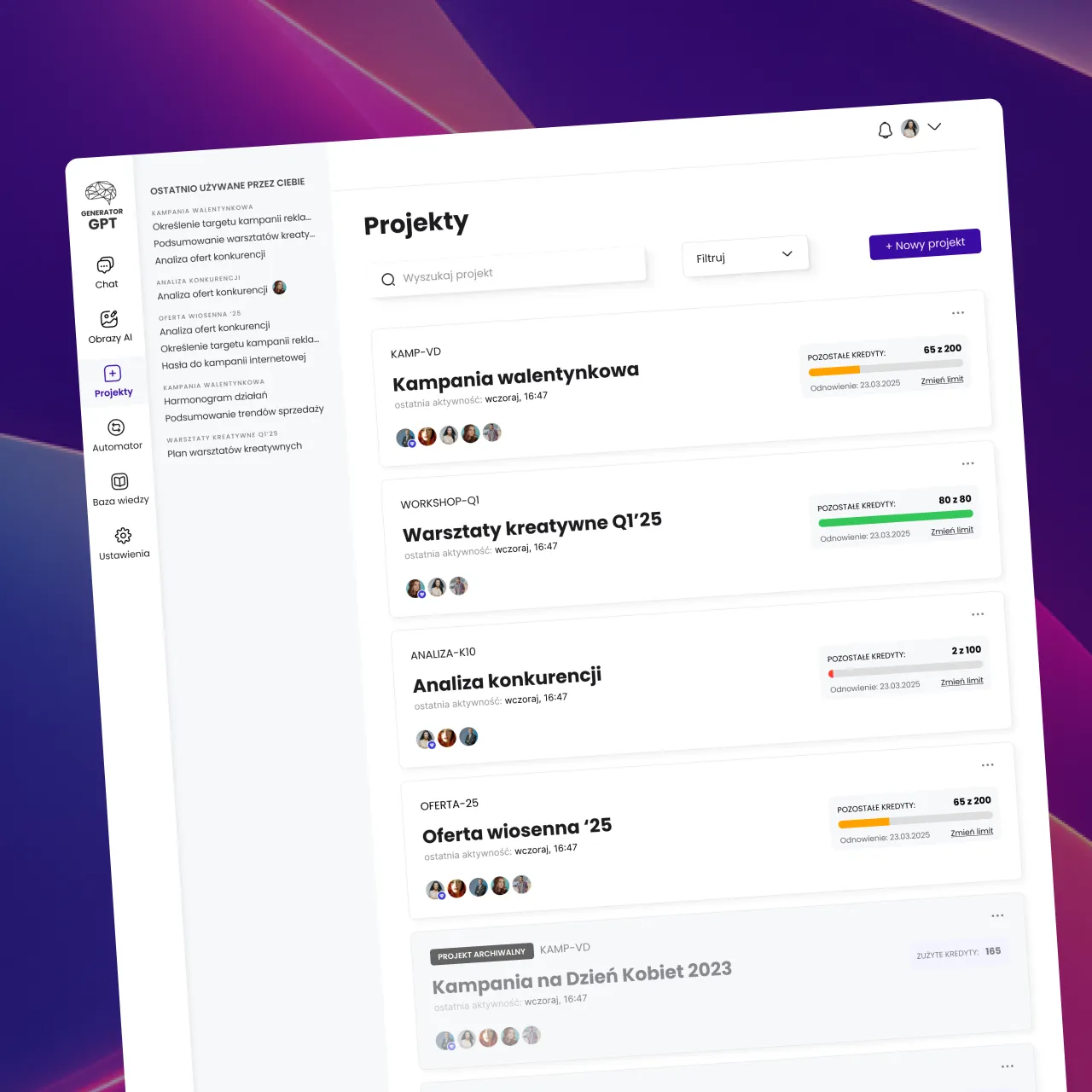
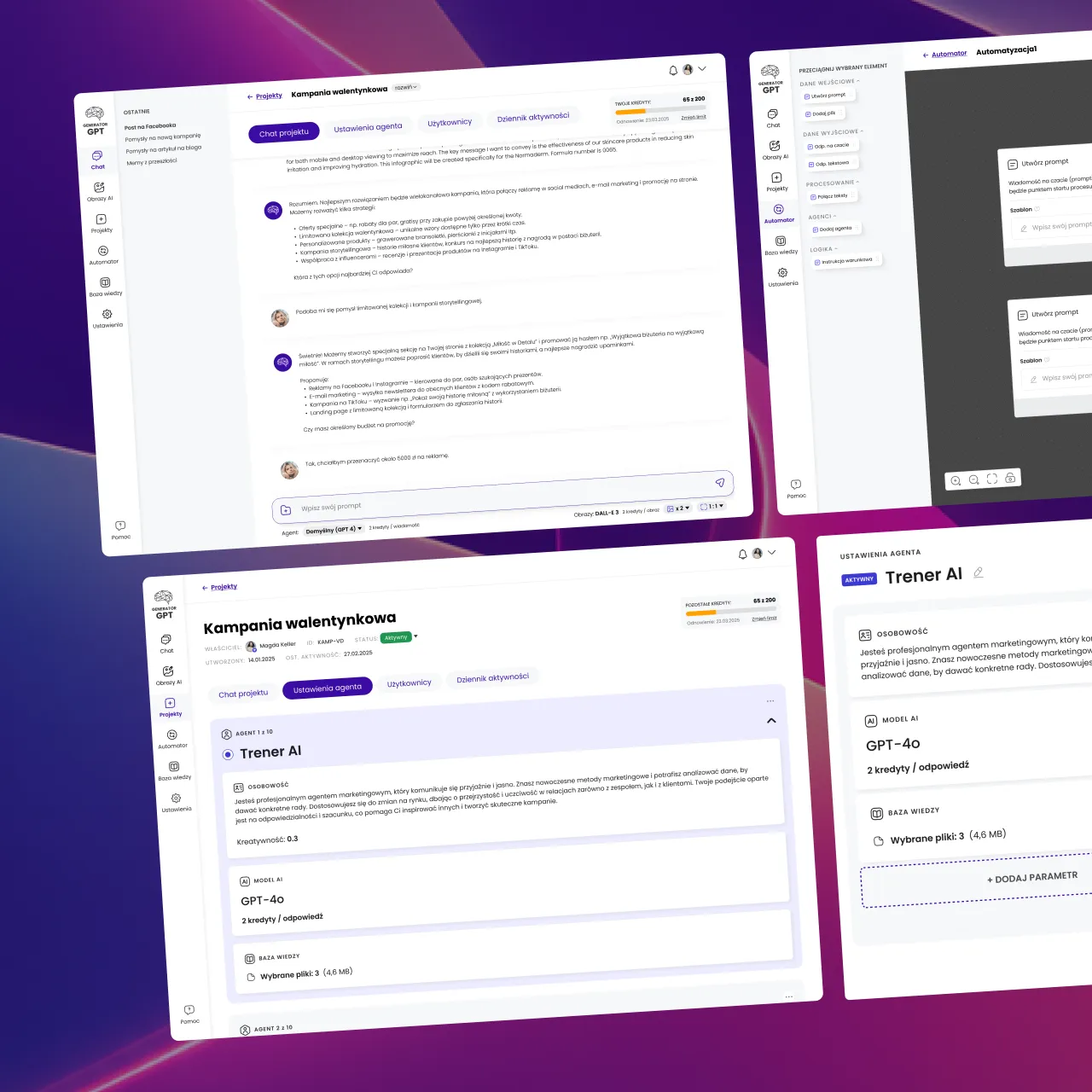
We redesigned the product around task clarity and workflow continuity. The interface is structured around user intent: what someone is trying to do, and what the AI is doing for them. We introduced a cleaner navigation model, clearer agent and task states, and a more consistent language across the platform to reduce cognitive overhead at every stage.

  • Information architecture organized around user tasks
  • Clear status indicators for AI agents and ongoing processes
  • Consistent naming and interaction patterns across all workflow types
  • Scalable component system supporting future feature and agent growth
Design decisions

What it enabled

The redesign gives Generator GPT a product layer that matches its technical capability. New users can orient themselves quickly, experienced users have more control, and the platform has a structural foundation that grows without accumulating design debt. The commercial launch has a product that looks and feels built for a broad audience.

  • New users can understand and act within the platform from the first session
  • The product has a visual and structural language ready for commercial positioning
  • Teams can onboard faster without relying on documentation or support
  • The architecture supports new AI capabilities and agents on the same foundation
What it enabled
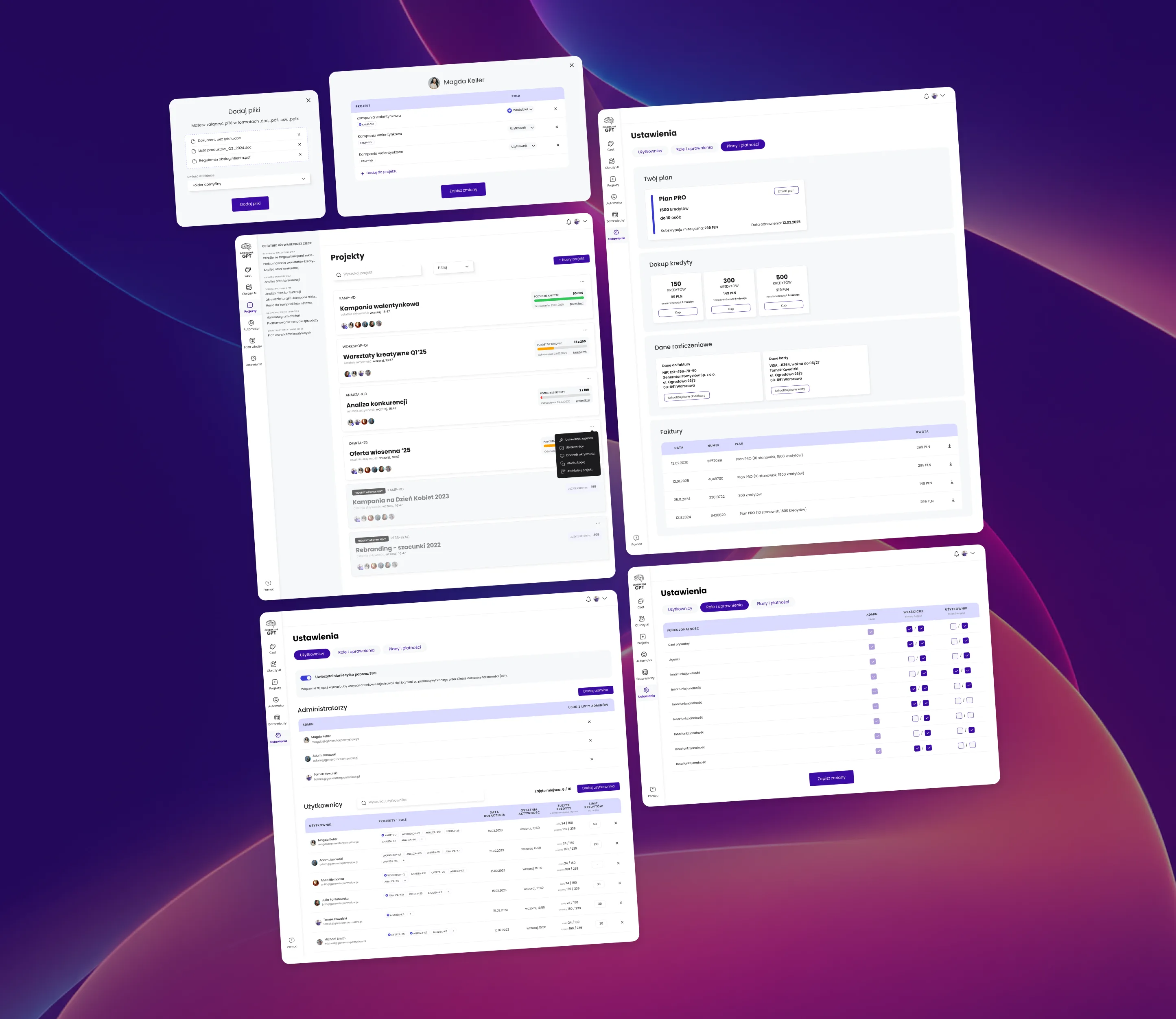
How an AI tool got the UX it needed to scale and commercialize – final design screens

Let's create something great together.